
Have you ever been intimidated by an ingredient that turns out to be one of the most rewarding things you’ve ever cooked with? I walked past fennel at the grocery store for years — it looked strange, smelled assertively of anise when I sniffed it, and I couldn’t picture what it would do in a stew. Then I finally threw two bulbs into a pot of braised beef and discovered that long, slow cooking transforms fennel into something completely different — sweet, silky, and mellow in a way that makes the whole broth taste more complex and refined. If fennel has been a mystery vegetable you’ve been avoiding, this beef and fennel stew is the recipe that finally makes it click.
Here’s the Thing About This Recipe
What makes this beef and fennel stew work is understanding what fennel actually does when it braises for two hours — that assertive anise character mellows almost completely, leaving behind a subtle sweetness and a silky texture that makes the broth feel more developed than the ingredient list would suggest. Combined with properly browned beef and the classic thyme-rosemary herb pairing, you get a stew that feels genuinely sophisticated without requiring anything complicated. I learned the hard way that raw fennel tastes nothing like braised fennel, so don’t judge this one before the simmer does its work.
Gathering Your Ingredients (Don’t Stress!)
Good beef stew meat is worth a conversation with your butcher — well-marbled chuck cut into even cubes braises far more consistently than the pre-packaged supermarket version where fat content and piece size vary wildly. I learned this after too many batches with simultaneously tough and tender pieces in the same pot (happens more than I’d like to admit).
Fennel bulbs are the ingredient worth understanding before you shop — look for firm, white bulbs with fresh, feathery fronds still attached and no brown spots or soft patches. Fennel has been cultivated in Mediterranean cooking for thousands of years and is prized across Italian, French, and North African culinary traditions for its unique ability to mellow into something deeply sweet during long cooking. Don’t throw away the fennel fronds — chop them like herbs and scatter them over the finished stew for a beautiful, fresh garnish. Good beef broth carries significant responsibility here since it’s the backbone of the entire dish — a watery, low-quality version produces a noticeably thinner result. I always grab an extra carrot because the natural sweetness they add alongside the fennel is part of what makes this stew taste so balanced.
The Step-by-Step (It’s Easier Than You Think!)
Start by heating olive oil in a large pot or Dutch oven over medium-high heat until shimmering. Season your beef stew meat generously with salt and pepper — here’s where I used to mess up, adding all the beef at once and ending up with a pot full of steaming gray meat instead of caramelized, golden pieces. Don’t be me. Brown in batches, giving each piece genuine contact with the hot surface until deeply caramelized on all sides — about 8-10 minutes total per batch. Remove and set aside while you build the rest of the stew.
In the same pot with the drippings still in place, add a bit more oil if needed and sauté the chopped onion, minced garlic, sliced fennel, and sliced carrots together until slightly softened and the fennel has started to turn translucent at the edges, about 5-6 minutes. This is the moment the kitchen starts to smell genuinely wonderful — the fennel releasing its fragrance into the hot fat is something worth pausing to appreciate.
Pour in the beef broth and diced tomatoes with all their juices. Stir in dried thyme, rosemary, salt, and pepper. Return the browned beef to the pot, stir everything together, and bring to a boil. Reduce heat to low, cover, and simmer for 2 hours until the beef is completely tender and the fennel has melted into the broth in the most beautiful way. If you love slow-simmered, aromatic stews like this, you’d also enjoy this classic beef and vegetable soup for another deeply comforting bowl worth making on a cold weekend.
If This Happens, Don’t Panic
Beef still tough after the full two hours? Give it another 20-30 minutes on low without rushing it — collagen in chuck beef breaks down at its own pace and toughness always means more time is needed, never that something went wrong.
Beef and fennel stew tasting flat despite the herbs? You probably need more salt — long-simmered stews absorb a remarkable amount of seasoning and need bolder adjustment than you’d expect. Add gradually, stir, and taste after each addition. Fennel flavor too assertive even after two hours? It likely wasn’t cooked long enough — genuine mellowing requires the full simmer time, so keep the lid on and give it more time before adjusting anything else.
Ways to Mix It Up
When I’m feeling fancy, I’ll stir a tablespoon of tomato paste in with the vegetables before adding the broth — it deepens the color beautifully and adds a richness that makes people ask what’s different. Around the holidays, I’ll add a handful of green olives in the last 30 minutes of simmering for a briny, Mediterranean-inspired depth that pairs extraordinarily well with the fennel. For a heartier version, stir in a cup of cooked white beans during the last 20 minutes — they absorb the broth and turn this into something genuinely substantial that eats like a complete meal. A gluten-free version is already built right into this recipe as written.
What Makes This Recipe Special
Fennel braised with beef reflects a long Italian and Provençal cooking tradition where the vegetable’s natural sweetness and aromatic quality were understood to complement rich, slow-cooked meats in a way that more common vegetables simply couldn’t. Beef stew traditions across Southern Europe frequently incorporate fennel, tomatoes, and dried herbs in combinations that have remained essentially unchanged for generations because the flavor logic is so sound — the sweetness of the fennel balances the richness of the beef, and the tomatoes add acidity that keeps the broth from feeling heavy. What sets this version apart is letting the fennel cook long enough to fully transform rather than remaining a distinct, assertive element in the finished dish.
Things People Ask Me About This Recipe
Can I make this beef and fennel stew ahead of time?
Absolutely — this is genuinely one of the best make-ahead stews I know. The flavors deepen significantly overnight and the beef becomes even more tender as it sits in the broth. Make it a full day ahead, refrigerate, and reheat gently on the stovetop the next day.
What if I’ve never cooked with fennel before?
Start by tasting a small raw piece so you know where it begins — then taste it again after the full two-hour simmer and notice the transformation. That contrast is the whole lesson about why fennel belongs in long-braised dishes specifically.
Can I freeze this homemade stew?
Yes — it freezes beautifully for up to 3 months. Cool completely before portioning into airtight containers. Thaw overnight in the fridge and reheat slowly on the stovetop. The fennel softens further after freezing which most people actually prefer.
Is this beef and fennel stew beginner-friendly?
Very much so — the technique is simple and the long simmer is genuinely forgiving. The only step that truly matters for a great result is properly browning the beef in batches at the very beginning, and that’s simply a matter of patience and a hot pot.
How do I store leftover stew?
Refrigerate in an airtight container for up to 4 days — the flavor improves noticeably after the first night. Reheat on the stovetop over medium-low heat with a splash of broth if it’s thickened overnight, which it often does as the fennel continues absorbing liquid.
Can I make this in a slow cooker?
Definitely. Brown the beef in a separate pan first — the flavor difference is real and worth the extra pan even for slow cooker recipes — then add everything to the slow cooker and cook on low for 8-9 hours or high for 5-6 hours until completely tender.
Before You Head to the Kitchen
I couldn’t resist sharing this because beef and fennel stew is the kind of recipe that introduces you to an ingredient in its absolute best context — the one where it makes complete, obvious sense and you immediately understand why people have been cooking it this way for centuries. The best stew nights with this one are when you lift the lid after two hours and the kitchen smells like something genuinely worth the wait.
Print
Beef and Fennel Stew
Description
Tender slow-braised beef with sweet, silky fennel, carrots, and tomatoes in a rich herb-seasoned broth — this beef and fennel stew is sophisticated cold-weather comfort food that rewards patience with every deeply satisfying, aromatic spoonful.
Prep Time: 20 minutes | Cook Time: 2 hours 15 minutes | Total Time: 2 hours 35 minutes | Servings: 6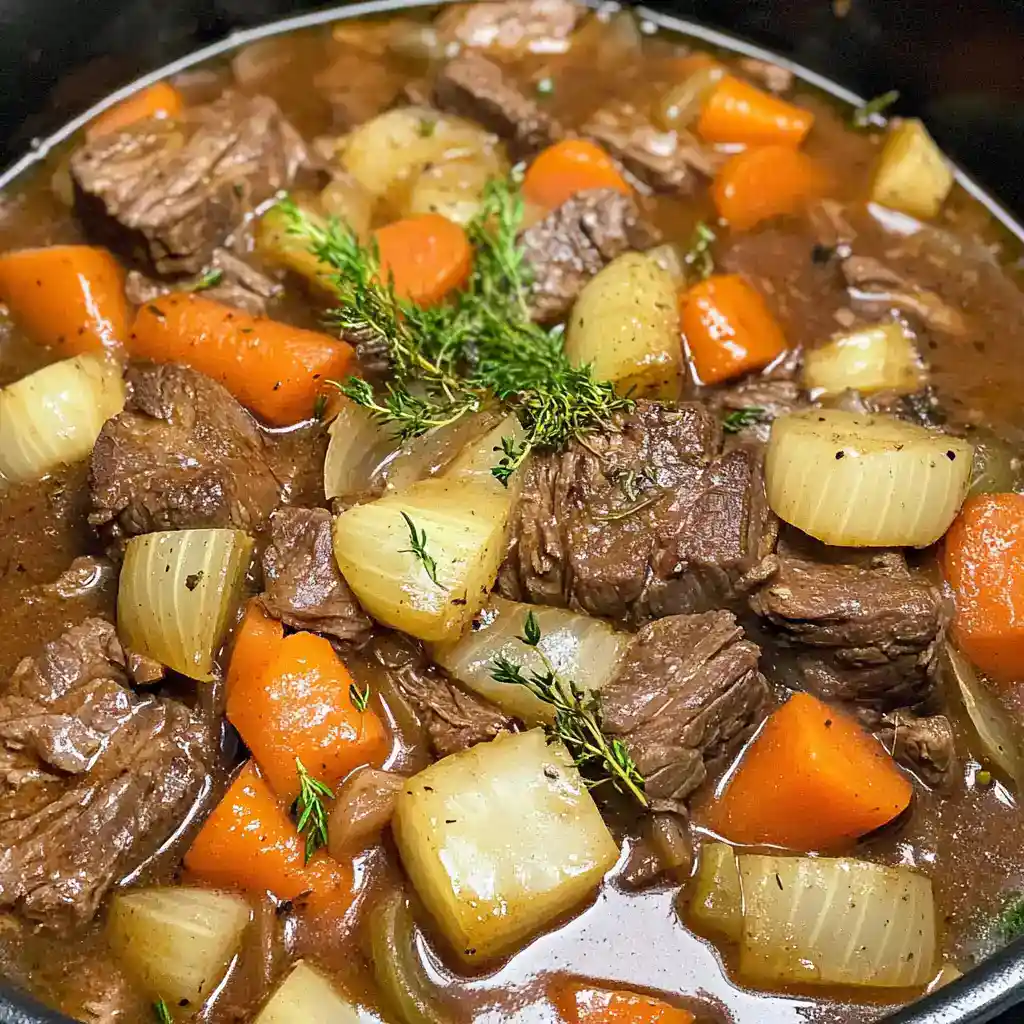
Ingredients
- 1.5 lbs beef stew meat, cubed (well-marbled chuck works best)
- 2 fennel bulbs, sliced (save the fronds for garnish)
- 3 carrots, peeled and sliced
- 1 onion, chopped
- 3 cloves garlic, minced
- 4 cups beef broth (good quality — it’s the backbone of the dish)
- 1 can (14.5 oz) diced tomatoes with juices
- 1 tsp dried thyme
- 1 tsp dried rosemary
- Salt and pepper, to taste
- 2 tbsp olive oil, plus more if needed
Instructions
- Heat olive oil in a large pot or Dutch oven over medium-high heat until shimmering. Season beef generously with salt and pepper.
- Brown beef in batches — don’t crowd the pot — until deeply caramelized on all sides, about 8-10 minutes per batch. Remove and set aside.
- Add a little more oil to the same pot if needed. Sauté onion, garlic, sliced fennel, and carrots until slightly softened and fragrant, about 5-6 minutes, scraping up any browned bits from the beef.
- Pour in beef broth and diced tomatoes with their juices. Stir in dried thyme, rosemary, salt, and pepper.
- Return browned beef to the pot. Bring to a boil, then reduce heat to low. Cover and simmer for 2 hours until beef is completely tender and fennel has mellowed into the broth.
- Taste and adjust seasoning before serving hot — garnished with reserved fennel fronds if you have them.
Nutrition Information (Per Serving):
- Calories: 355
- Carbohydrates: 18g
- Protein: 32g
- Fat: 16g
- Fiber: 5g
- Sodium: 760mg
- Key vitamins/minerals: Vitamin C (25% DV from fennel), Vitamin A (50% DV from carrots), Iron (22% DV), Potassium (20% DV)
- Note: Fennel contributes meaningful vitamin C and potassium alongside its unique aromatic compounds, making this a more nutritionally complex stew than it might appear.
Notes:
- Brown beef in batches no matter how tempting it is to add it all at once — this single step determines the flavor of the finished broth
- Don’t judge the fennel flavor until after the full two-hour simmer — the transformation is remarkable and completely changes the character of the ingredient
- Save the fennel fronds and use them like fresh herbs scattered over the finished bowls
Storage Tips:
- Refrigerate in an airtight container for up to 4 days — flavor deepens significantly overnight
- Freeze in portions for up to 3 months — fennel softens further after freezing but flavor holds beautifully
- Reheat on the stovetop over medium-low heat with a splash of broth to restore consistency
Serving Suggestions:
- Serve over creamy polenta for a classic Italian-inspired pairing that soaks up the rich broth perfectly
- Pair with crusty bread for scooping directly from deep bowls
- Serve alongside a simple arugula salad with lemon dressing to cut through the richness
- Ladle over egg noodles for a heartier, more filling bowl
Mix It Up (Recipe Variations):
- Tomato Paste Version: Stir a tablespoon of tomato paste in with the vegetables before adding broth for deeper color and a more intense, concentrated sauce
- Mediterranean Olive Twist: Add a handful of green olives in the last 30 minutes of simmering for a briny depth that pairs beautifully with the fennel
- White Bean Addition: Stir in a cup of drained white beans during the last 20 minutes for extra heartiness and a naturally creamy texture throughout the broth
What Makes This Recipe Special: Fennel’s transformation during a two-hour braise is what makes this stew genuinely special — the assertive anise quality that makes raw fennel divisive mellows into something subtly sweet and silky that blends seamlessly into the beef broth and gives it a complexity that root vegetables alone simply can’t provide. Browning the beef thoroughly before building the stew ensures the broth has real depth from the very first ladle, which is what separates a memorable beef and fennel stew from a pot of boiled meat and vegetables.